Each season brings its share of new pieces, reimagined cuts, and color palettes that redefine silhouettes. The fashion trends of this season are no exception, but they share a common thread: the mix of strong pieces and a sustainable wardrobe. Far from the endless lists of fleeting micro-trends, a few underlying movements truly deserve your attention to build a unique style.
Upcycled Fashion: When Thrift Becomes Designer Piece
You may have noticed those jackets reworked from vintage fabrics, sold alongside new collections? This phenomenon has a name: upcycled fashion. The principle is simple: recover clothing, production scraps, or dormant stock to transform them into new pieces.
This segment is no longer reserved for small activist workshops. The global market for upcycled fashion is now tracked as a distinct category by firms like Fortune Business Insights, which project strong growth until 2034. Premium brands are launching capsules entirely designed from recovered materials, and collaborations between designers and thrift shops are multiplying.
For those seeking a unique style, this is a concrete avenue. An upcycled piece often exists in limited quantities, making your outfit hard to replicate. A blazer reconstructed from vintage fabric, for example, will not have its twin on the street. Those who wish to discover fashion on HyperScoop will find useful references to navigate between these new proposals and classic collections.
Anti-Fast Fashion Law in France: What It Changes for Your Clothing Choices
Alongside these creative movements, a regulatory shift is underway. The French National Assembly has initiated a law that defines in text what “ultra-express fashion” is, in other words, fast fashion. The stated goal: to limit the environmental and social impacts of this very high-speed production model.
Why is this relevant when discussing trends? Because this law could alter the visible offerings online and in stores. Platforms that refresh their catalogs several times a week could be subject to new constraints. The likely result: a refocusing on pieces designed to last several seasons.
In practical terms, this values thoughtful purchases. Investing in a well-cut pair of jeans, a dress made from durable material, or a well-constructed trench coat becomes a choice that is both aesthetic and aligned with the direction taken by French regulations.
Key Silhouettes and Colors for the Spring-Summer Season
In terms of wardrobe, three directions are emerging on the runways and in accessible collections.
The Reimagined Harem Pants and Loose Volumes
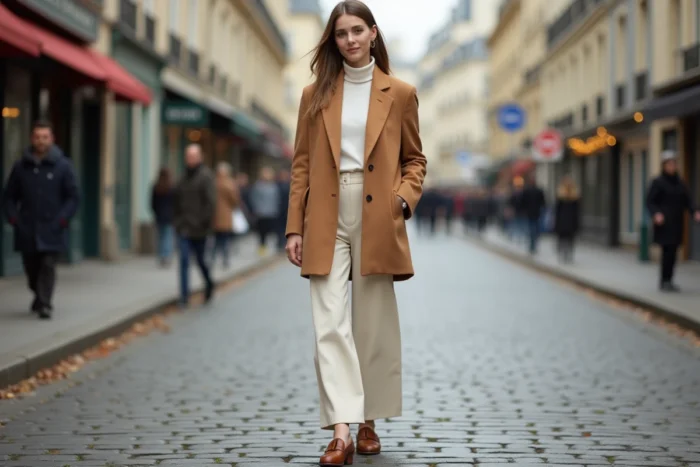
Wide cuts are not retreating; on the contrary. The harem pants, long confined to streetwear or bohemian wardrobes, are reappearing in structured versions. Worn with a fitted top (a tucked polo, a simple crop top), it creates a contrast of proportions that adds character to the look.
The mistake to avoid: pairing a voluminous top with a voluminous bottom. A readable silhouette relies on a point of tension. A loose bottom calls for a fitted top, and vice versa.
Butter Yellow and Soft Hues
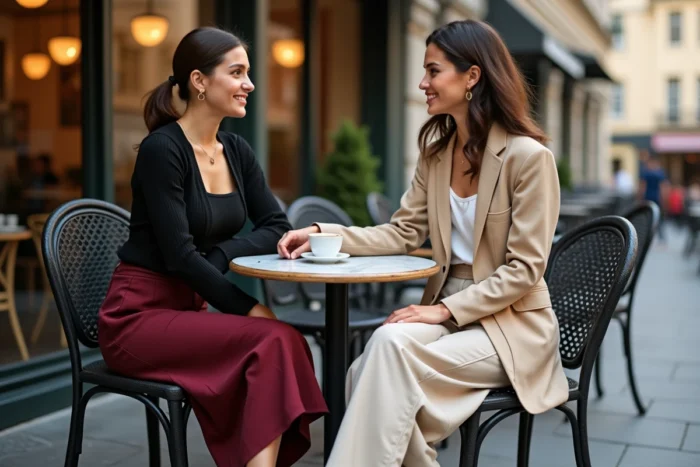
The colors of the season are moving away from neons. Butter yellow, warm beiges, and off-whites dominate the offerings from brands. These shades work on almost all skin tones and combine easily with one another.
To incorporate these shades without revamping your entire wardrobe, start with an intermediate piece: a vest, a midi skirt, or linen pants. One single piece in a trendy color is enough to refresh an entire outfit.
Controlled Transparency
Translucent materials (organza, fine mesh, cotton voile) remain very present. The key to wearing them daily is layering: a transparent top over a contrasting colored tank top, or a voile shirt over a structured swimsuit.
Building a Unique Style: The Pieces to Consider This Season
Rather than chasing every micro-trend, focus your budget and attention on a few categories of clothing that transcend seasons while absorbing current influences.
- A pair of well-cut jeans (barrel or slightly flared) in thick fabric, replacing slim fits and pairing well with both sneakers and heels
- A short, colorful or textured jacket, worn open over a plain t-shirt, becoming the signature piece of any outfit
- A dress made from natural material (linen, heavy cotton, poplin) in a neutral or butter shade, versatile enough for both the office and a weekend
- An upcycled or thrifted accessory (bag, belt, scarf) that adds a touch of originality without straining the budget
Unique style does not come from the number of pieces, but from their coherence. Four well-chosen and well-combined garments create a stronger effect than a wardrobe filled with pieces bought impulsively during sales.
Materials and Textures to Favor for a Sustainable Look
Materials say a lot about a garment. This season, natural textures are taking precedence over shiny synthetics. Linen is making a strong comeback in pants and shirts. Thick cotton is replacing fine jerseys for t-shirts.
Checking the composition of a garment before purchasing is a simple reflex that changes the longevity of your wardrobe. A fabric with at least half natural fibers retains its shape better after washing than a fully synthetic equivalent.
- Wrinkled linen, embraced as is, fitting into the “intentional wrinkling” trend seen on the runways
- Cotton poplin for shirts and blouses, which maintains a crisp drape without excessive ironing
- Ribbed knit for tops, adding texture without the need for patterns
The fashion trends of this season converge towards a fairly clear principle: fewer pieces, better chosen, worn with intention. The rise of upcycled fashion and the regulatory framework being developed in France only reinforce this direction. Your next clothing purchase will benefit from being thought of not as a trend-following item, but as a sustainable addition to a wardrobe that reflects you.